By: Aaron Lai
April 3, 2026
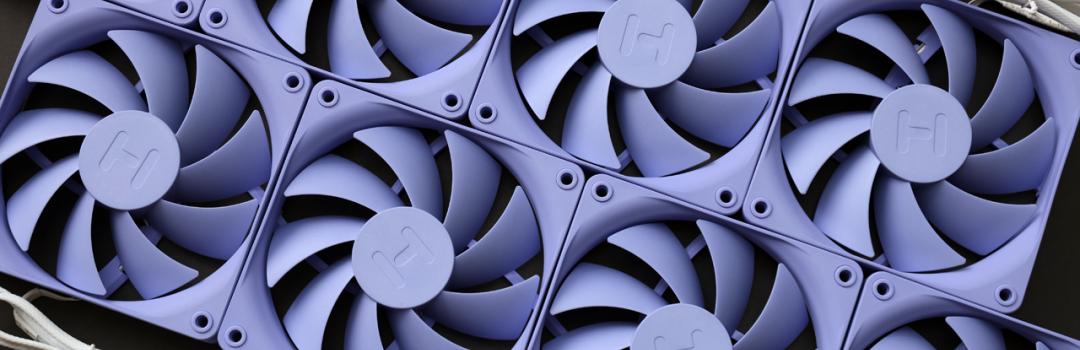
There are a couple of friends of mine who just finished their fourth-year engineering capstone project presentations. Thinking back to my own final year project, it was a disaster from start to end. The project involved designing and building a prototype to generate energy from a wearable device. From the beginning, we lacked scoping requirements and had disagreements with our supporting TA and the instructor of the class. Even when we finished our presentation, we were informed the department could hold us back from graduation because of the inadequate result. While other groups did not have much work after the presentation, we were scrambling to capture more data and prove why our project was at least worthy of a passing grade. The capstone project ended up being the lowest mark on my transcript. What saved us at the end was showing how we used the prototype to gather more data points to determine the feasibility of generating electricity from renewable energy sources. Nowadays, I barely remember the details of this project, but one thing I have learned is the importance of testing and data results. It may not have been the sole reason we graduated, but it gave credence to the purpose of the project. Similarly, testing and gathering real numbers is just as important for how we test at APH Networks. Today, we have the HYTE FA12, which may look like an average 120mm fan. While we have been reviewing fans and other cooling products practically since our inception, today we will be using updated methods to gather information on cooling fans. Will the HYTE FA12 prove to be a strong performer in our new tests? Let us read on to find out!

Today's review unit of the HYTE FA12 arrived from HYTE's American headquarters in City of Industry, California, USA. Traveling with UPS and their Standard ground service, this box arrived in average condition. There are bumps and bruises on both sides of the corrugated cardboard box. Hopefully, there was no damage to the items inside. HYTE graciously sent us not one, but two sets of their four pack for a total of eight FA12 fans in the Taro Milk color variant.

Everything out of the shipping container was in excellent condition. The retail boxes of the HYTE FA12 are clean with a brown corrugated cardboard box and white printing on top. From the front, there is the manufacturer's name on the top left corner and the product name on the bottom right. A tagline of "Modern Aesthetic Fan" is printed nearby. A sketch of the fan itself is in the bottom left corner. On the other side of the box, the color variant inside is printed on a seal. We have received the Taro Milk purple version, but these fans come in Snow White, Pitch Black, Wild Cherry, Strawberry Milk, Matcha Milk, and Astral Orange. This is because HYTE offers cases in these color variants, and the fans are meant to be an exact match with these cases.
Before we continue, I have grabbed the specifications from the manufacturer's website for your perusal:
Dimensions: 120 x 120 x 25 mm
Rated Speed: 1500 RPM +/- 10%
Airflow: 72 CFM
Static Pressure: 1.6 mm H2O
Noise Level: 28.0 dBA Max
Bearings: Fluid Dynamic
Blade Material: ABS
Frame Material: ABS
Included Accessories: 4:1 PWM Splitter Cable, 16x Fan Screws
Fan Connector: 4-Pin PWM
Power Draw: DC 12V - 0.15A 1.8W
Colorways: Snow White, Pitch Black, Wild Cherry, Taro Milk, Strawberry Milk, Matcha Milk
Warranty: 3 Years

In the box, four HYTE FA12 fans are slotted in the cardboard retail container and separated by a cardboard insert. This protects the fans from contacting and potentially damaging one another while in transit. In addition to the fans, we have four small bags with four fan screws in each pouch and a 4-to-1 PWM splitter cable to connect all the fans to a single header on your motherboard. We also have a quick start guide, although setting up these fans is self-explanatory. The pamphlet does cover information about the standard three-year warranty included with the FA12 fans.
Page Index
1. Introduction, Packaging, Specifications
2. Physical Look - Hardware
3. Performance Tests
4. Conclusion